 English

Fire Safety Technical Specifications and Testing Points for Upholstered Furniture
1. Interpretation of the GB 17927-2024 Standard System
GB 17927-2024, Safety Technical Specification for Flame Retardant Performance of Furniture, was released on August 23, 2024, and came into effect on September 1, 2025. It replaces GB 17927.1-2011 and GB 17927.2-2011. The standard specifies requirements, inspection rules, and labeling for the flame-retardant performance of furniture. It applies to quality control of upholstered furniture and furniture upholstery components.
The core change in the standard is the establishment of a three-level flame-retardant classification system:
Flame-retardant Grade I: Passes the cigarette ignition source test. It is suitable for general household use. During testing, a cigarette is placed at the seam of a sofa. There must be no smoldering and no open flame within 60 minutes, and the char mark must not exceed 45 mm.
Flame-retardant Grade II: Passes the simulated match flame test. It is suitable for public places other than elderly care facilities, public entertainment venues, and hospital wards.
Flame-retardant Grade III: Passes the small wooden crib test. It is suitable for elderly care facilities, public entertainment venues, hospital wards, and other specified public places. Grade III is a newly added requirement. It addresses the safety of elderly people, patients, and people in highly crowded places, and fully protects vulnerable groups from fire hazards.
2. Flame-Retardant Technical Measures for Upholstered Furniture
Filling materials: Furniture used in public places should prioritize flame-retardant foam. The limiting oxygen index (LOI) of polyurethane foam should reach at least 28%, and the horizontal burning rate should be no more than 10 mm/min. Flame-retardant foam is generally required to have an LOI of at least 28, and some high-end products can reach above 35. Foam with an LOI of at least 28% is difficult to sustain burning in air and can effectively inhibit flame spread.
Fabric treatment: The flame-retardant grade of sofa fabric should reach Class B1, with an oxygen index of at least 32%. Fabrics can achieve this through blending with flame-retardant fibers or through flame-retardant finishing. For public places, fire-retardant coated fabrics or inherently flame-retardant fiber fabrics are recommended.
Seams and structure: Seams should be reinforced with flame-retardant treatment. Flame-retardant adhesive tape or flame-retardant sewing thread can be added. The wooden crib test is the core assessment item for Grade III flame retardancy. Risk points in the wooden crib test must be strictly controlled to ensure that flames do not spread along seams under simulated wooden crib ignition conditions.
3. Comparison of International Flame-Retardant Standards
British Standard BS 5852 is a fire safety standard for furniture in the United Kingdom. Its requirements are stricter than those in the United States. Before testing, fabrics treated with flame retardants must be soaked in warm water at 40°C for 30 minutes, then air-dried and conditioned at room temperature for 72 hours to stabilize environmental conditions. Evaluation criteria include the following: if smoking, flashing, or other smoldering phenomena are still observed from the outside 60 minutes after ignition, the product fails; if open flame is still observed 10 minutes after ignition, the product fails. During the gas flame test, the smoldering time of the test apparatus must not exceed 30 minutes (60 minutes for a wooden crib). No charring extending more than 100 mm in any direction upward from the ignition source is allowed.
United States CAL TB 117-2013 is a mandatory flammability safety standard for upholstered furniture materials in California. It covers cover fabrics, barrier materials, and resilient filling materials. The standard mainly evaluates the smolder resistance of materials when exposed to an ignited cigarette. Criteria include the following: the sample must not continue to smolder 45 minutes after the test begins, and no open flame may appear during the test. It is worth noting that TB 117-2013 does not evaluate performance under open-flame ignition sources. Its revised version no longer requires filling materials to pass an open-flame test and instead focuses on flame-retardant performance against smoldering ignition sources.
4. Test Items and Technical Requirements
Flame-retardant performance testing of upholstered furniture covers three core indicators: combustion characteristic parameters, including peak heat release rate (PHRR), total heat release (THR), and mass loss rate (MLR); smoke toxicity indicators, including CO/CO2 generation rate and smoke density rating (SDR); and flame propagation performance, including critical radiant flux (CRF), surface flame spread distance, and char length.
For combustion performance indicators, GB 20286-2006 specifies that the peak heat release rate must be no more than 100 kW/m², the average heat release rate no more than 60 kW/m², the average burning time no more than 20 seconds, the average burning height no more than 150 mm, and the smoke density rating no more than 75. The textile fabric specimen size is 700 mm × 700 mm, with five groups taken in each of the warp and weft directions. The flexible filling material specimen size is 300 mm × 300 mm at original thickness, with a thickness of at least 10 mm.
5. Compliance Precautions for Manufacturers
Manufacturers should focus on the following points. First, clarify the flame-retardant standard requirements of the target market. Products exported to the United Kingdom must meet BS 5852, and products exported to California must meet CAL TB 117-2013. Second, establish a batch testing system for flame-retardant performance to ensure consistency across each production batch. Third, fabrics after flame-retardant finishing must be clearly labeled with the flame-retardant grade and applicable places of use. Fourth, furniture for public places should preferentially meet Grade III flame-retardant requirements, use flame-retardant foam with an oxygen index of at least 28%, and use fire-retardant coated fabrics, with additional flame-retardant treatment at seams.
-
 Marine Night Reflective Tape
-
 Life Jacket Light
-
 Professional Swift Water Rescue Buoyancy Vest
-
 ABS Flood Barrier
-
 Portable PVC Flood Barrier
-
 Fire Smoke Escape Mask
-
 Fire Rescue Helmet for Fire Fighting Applications
-
 Industrial Safety Helmet for Workplace Protection
-
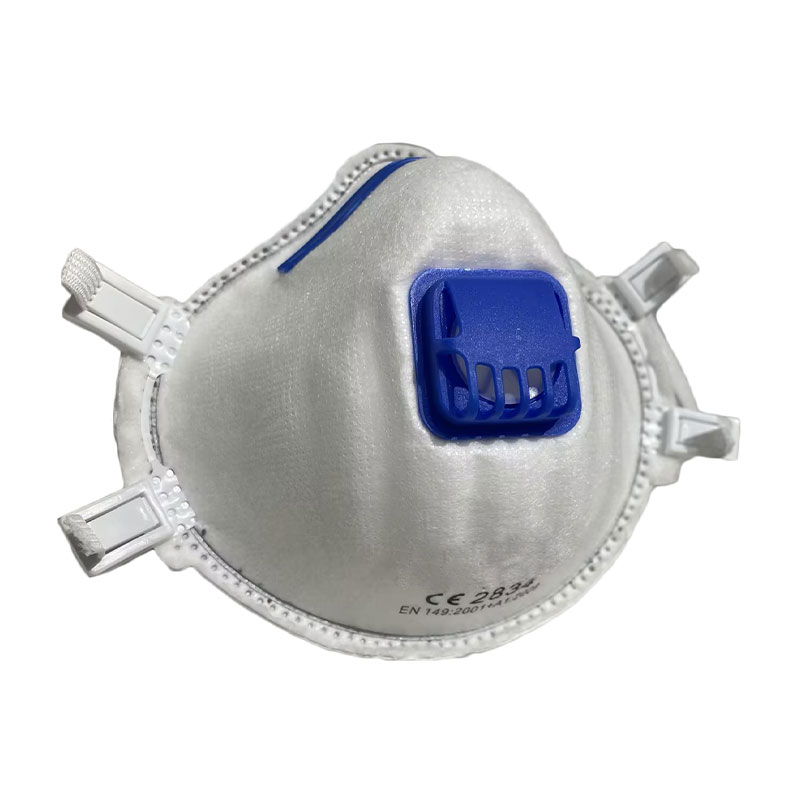 Non-Woven Disposable Cup-Shaped Respirator
-
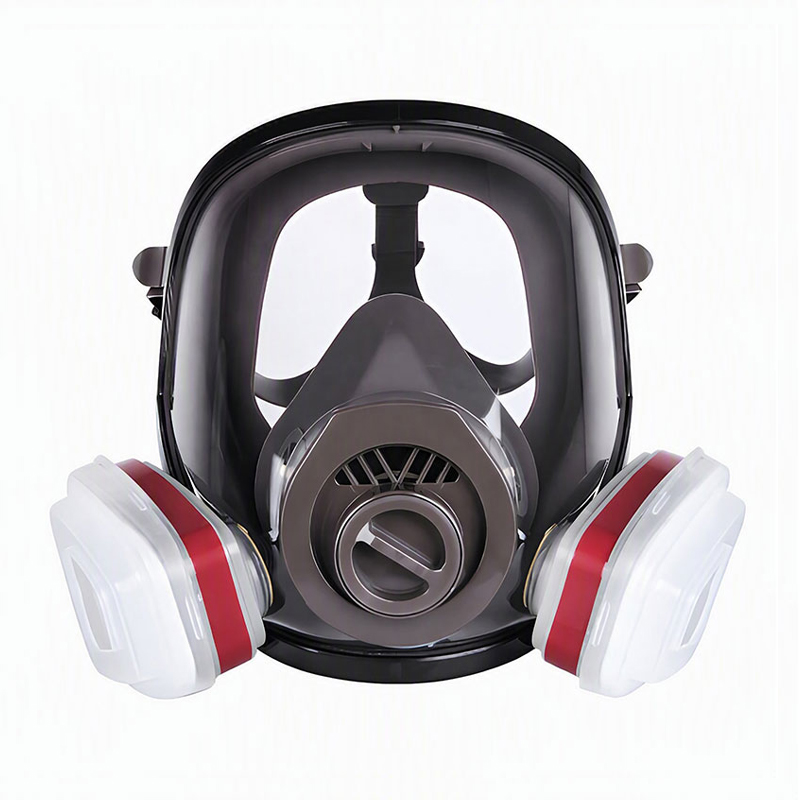 Panoramic Chemical Full-Face Respirator
-
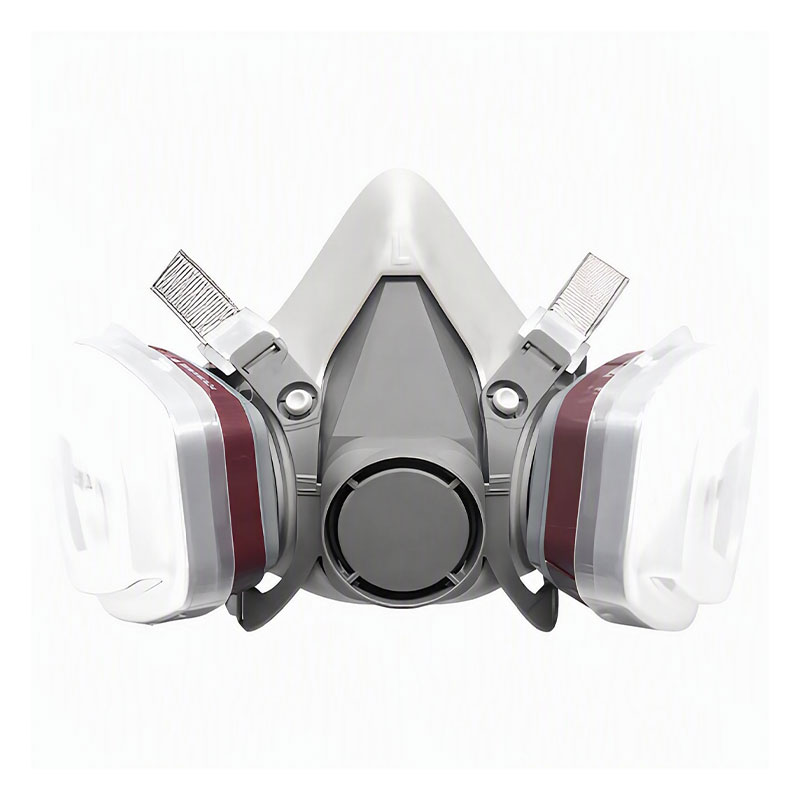 Half-Face Respirator for Painting
Please submit your product needs, quantity, application, target market, certifications, and customization requests. Our team will help you find the right products and cooperation plan.

Copyright © Dongtai Chaowei Lifesaving Equipment Factory.
All Rights Reserved.
