 English

Flame-Retardant Finishing of Textiles: Technology and Precautions
1. Principles and Classification of Flame-Retardant Finishing
Flame-retardant finishing of textiles is a process that uses chemical or physical methods to give fabrics the ability to inhibit flame spread. Treated fabrics are not completely non-combustible, but they can effectively stop flame propagation. When the ignition source is removed, they should not continue to burn and should not exhibit afterglow or smoldering.
Flame-retardant finishing is mainly divided into two categories. Temporary flame-retardant finishing relies on physical adsorption of the flame retardant onto the fiber surface. Its durability is limited, so it is suitable for disposable or short-term products. Durable flame-retardant finishing fixes the flame retardant onto the fiber through chemical bonding. It can withstand multiple washes, usually more than 50 laundry cycles, and is suitable for protective clothing and home textiles that require frequent washing.
From a technical perspective, there are three main approaches: the exhaustion method, in which the flame retardant reacts chemically with the fiber to form covalent bonds; the deposition method, in which the flame retardant is deposited on or inside the fiber; and the coating method, in which a flame-retardant coating is formed on the fabric surface.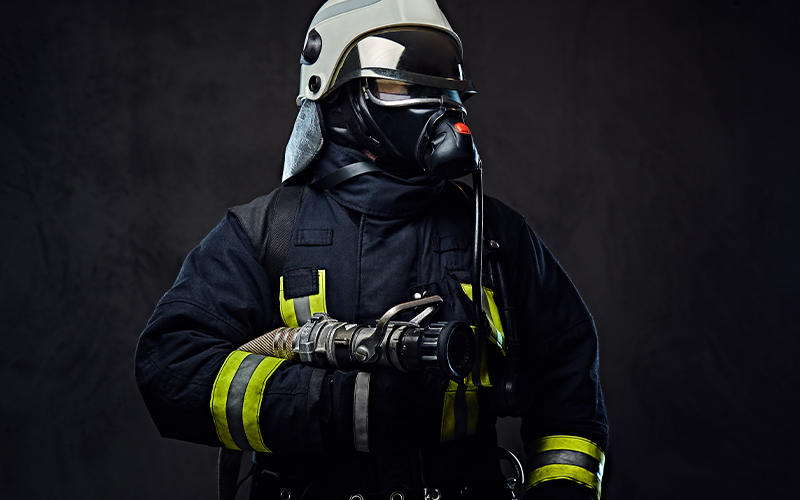
2. Typical Flame-Retardant Finishing Processes
Flame-retardant finishing of polyester-cotton blends is a technically difficult area. The polyester component can be treated with tris(2,3-dibromopropyl) phosphate, while the cotton component can be treated with THPC. Both agents are applied in the same bath through padding. The process is: padding, drying, heat setting at 180–200°C, soaping at 70–80°C, washing, and drying. This process improves durability but reduces wearing comfort, and organophosphorus compounds may pose health risks.
PROBAN finishing is a classic durable flame-retardant process for cotton fabrics. Its flow is: padding with the flame-retardant solution at room temperature, pre-drying at 100–120°C, ammonia curing, oxidative washing, drying at 130–140°C, preshrinking, and final product. The THPC-urea system reacts with cellulose fibers to form a durable flame-retardant crosslinked structure.
Flame-retardant finishing of polyester fabrics can use supercritical CO2 technology with aspartic acid and lysine as flame retardants. Flame-retardant performance is controlled by adjusting the amount of flame retardant and the temperature, pressure, and time of supercritical treatment. This method is a green flame-retardant direction because it avoids the use of organic solvents.
3. Key Precautions for Flame-Retardant Finishing
Fabric pretreatment requirements: The fabric must be clean, neat, and absorbent so that the flame retardant can penetrate well and avoid possible chemical reactions between incompatible substances. Sizing agents, oils, and other substances must be washed out thoroughly; otherwise, the flame-retardant effect will be seriously affected.
Dye compatibility: Before flame-retardant finishing, it is advisable to understand the acid and alkali resistance of the dyes. For sensitive dyes, flame-retardant finishing is best avoided.
Selection of flame retardants: When choosing a flame retardant, in addition to flame-retardant efficiency and durability, consideration must be given to its effects on fabric strength, hand feel, appearance, dye shade, and color fastness, as well as whether it irritates human skin.
Control of process parameters: The amount of flame retardant, resin, catalyst, and softener, as well as wet pickup, curing temperature, and curing time, must be precisely controlled according to the fiber type and product requirements.
4. Evaluation Methods for Flame-Retardant Performance
Flame-retardant performance is evaluated by several standardized methods. In the vertical flame test, the specimen is fixed in a flame test apparatus with the lower end 19 cm from the burner. The flame height is adjusted to 38 mm. After the specimen is exposed to the flame for 12 seconds and then removed, the afterflame time and afterglow time are measured. The limiting oxygen index (LOI) measures the minimum volume percentage of oxygen in an oxygen-nitrogen mixture that can sustain burning. It is a core indicator of flame-retardant performance. In addition, the burning duration after ignition, the degree of charring, and the heat conduction rate during burning can be measured under specified conditions.
-
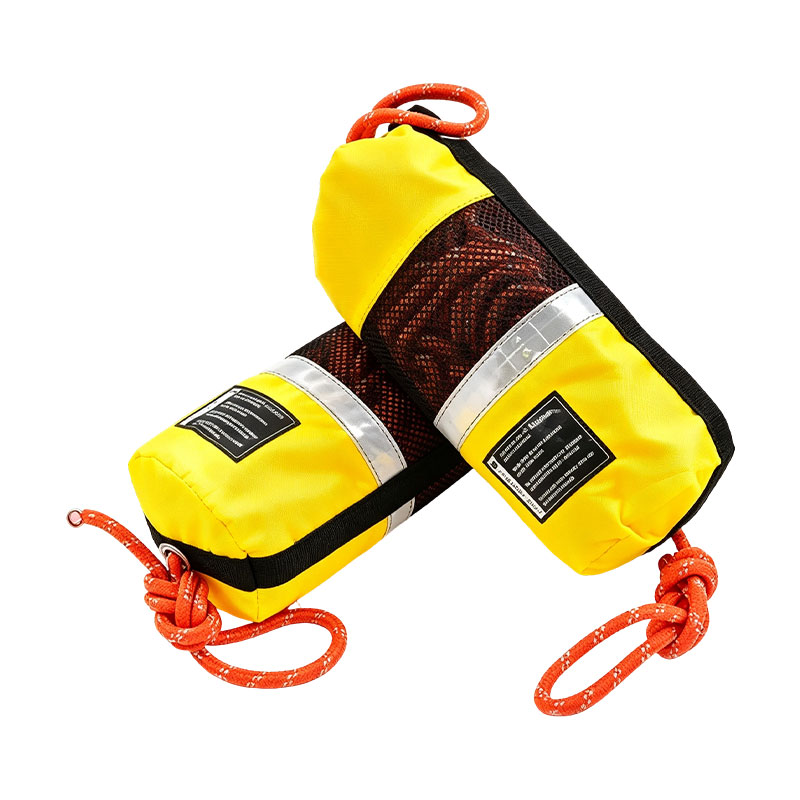 Marine Night Reflective Tape
-
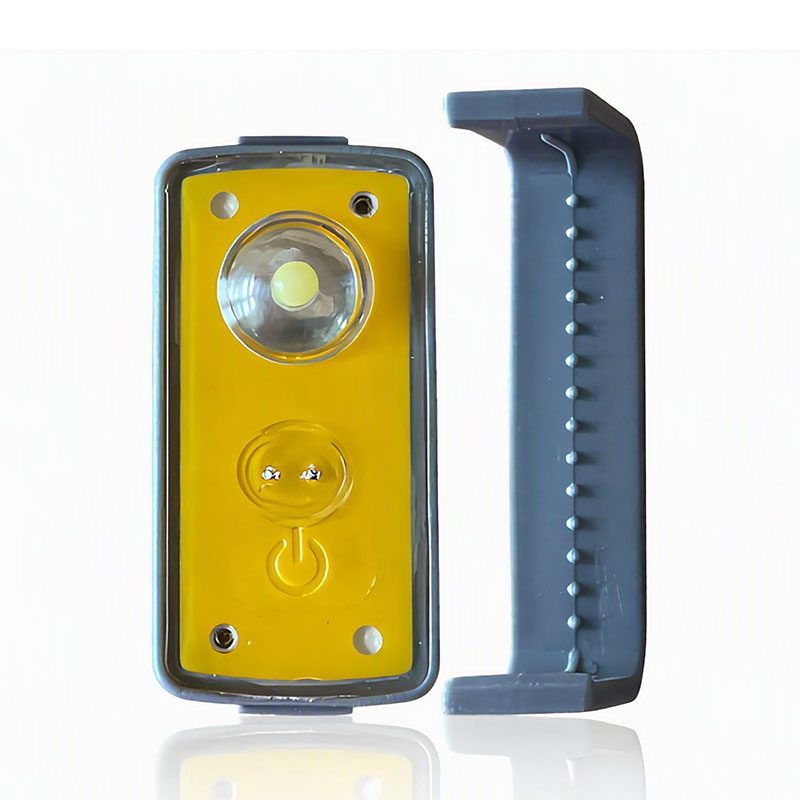 Life Jacket Light
-
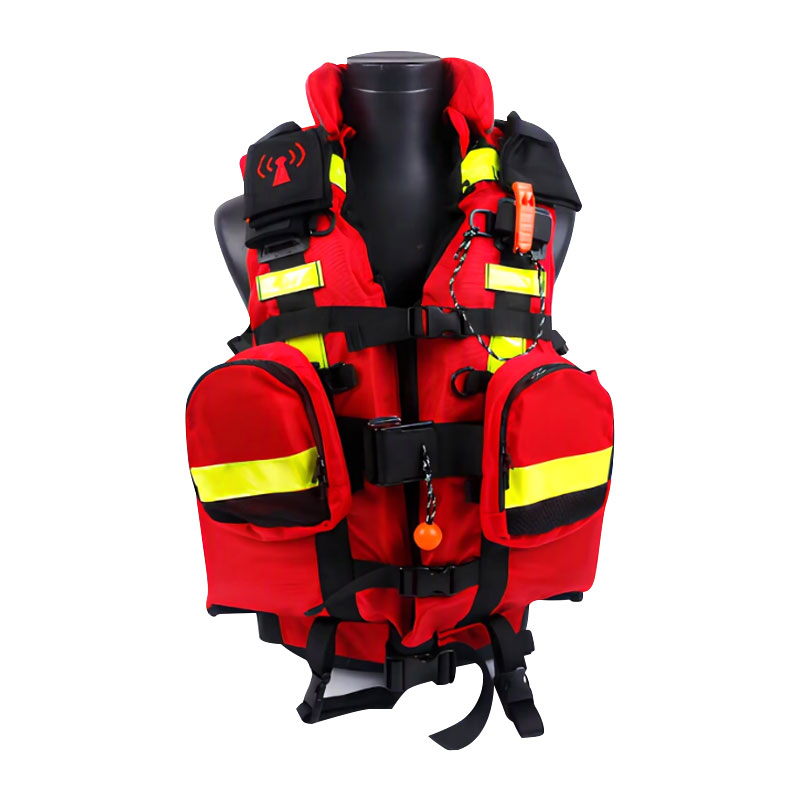 Professional Swift Water Rescue Buoyancy Vest
-
 ABS Flood Barrier
-
 Portable PVC Flood Barrier
-
 Fire Smoke Escape Mask
-
 Fire Rescue Helmet for Fire Fighting Applications
-
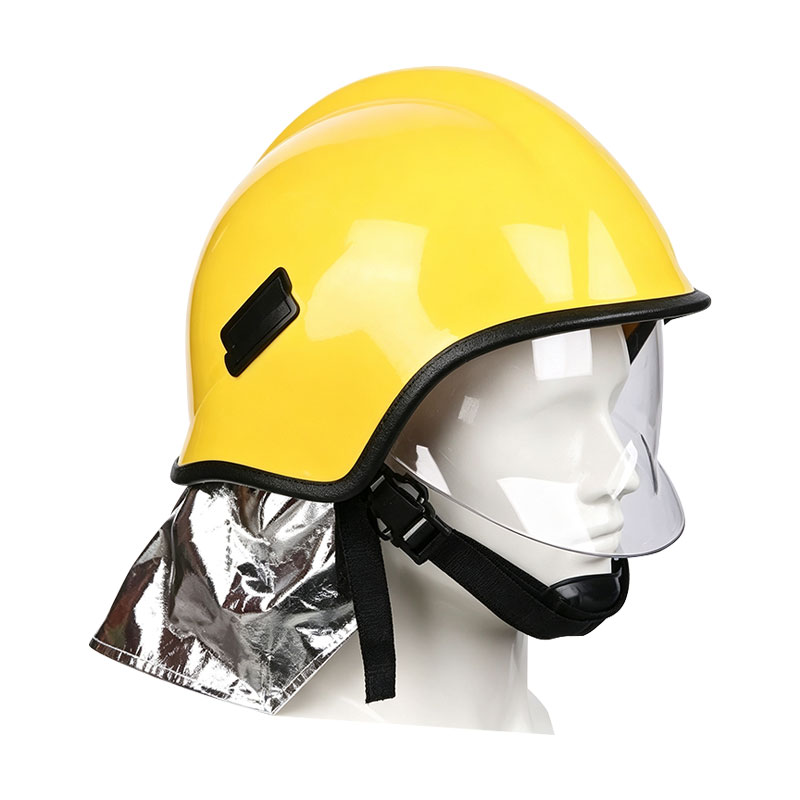 Industrial Safety Helmet for Workplace Protection
-
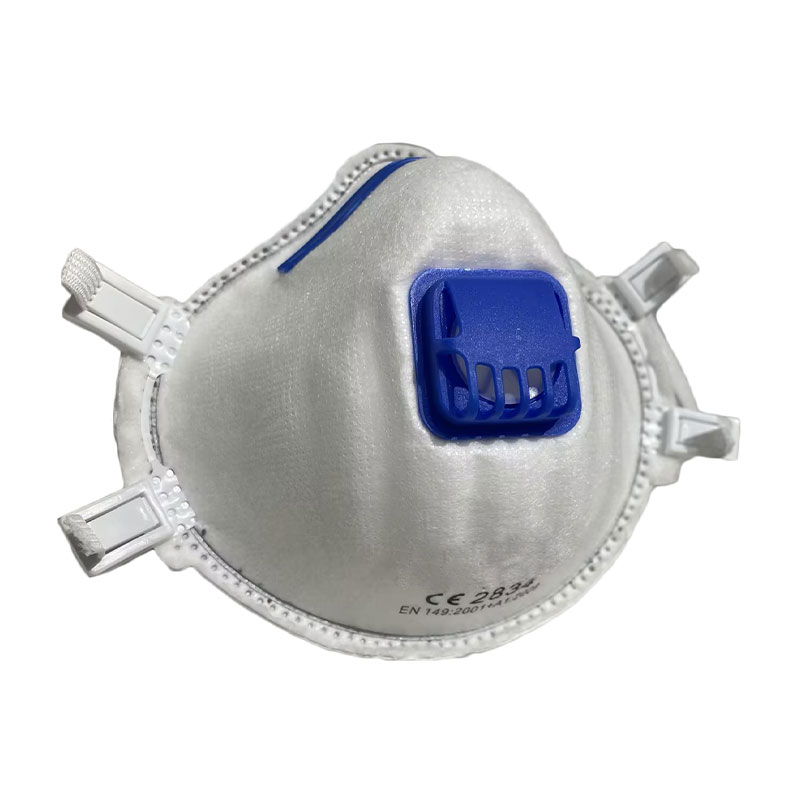 Non-Woven Disposable Cup-Shaped Respirator
-
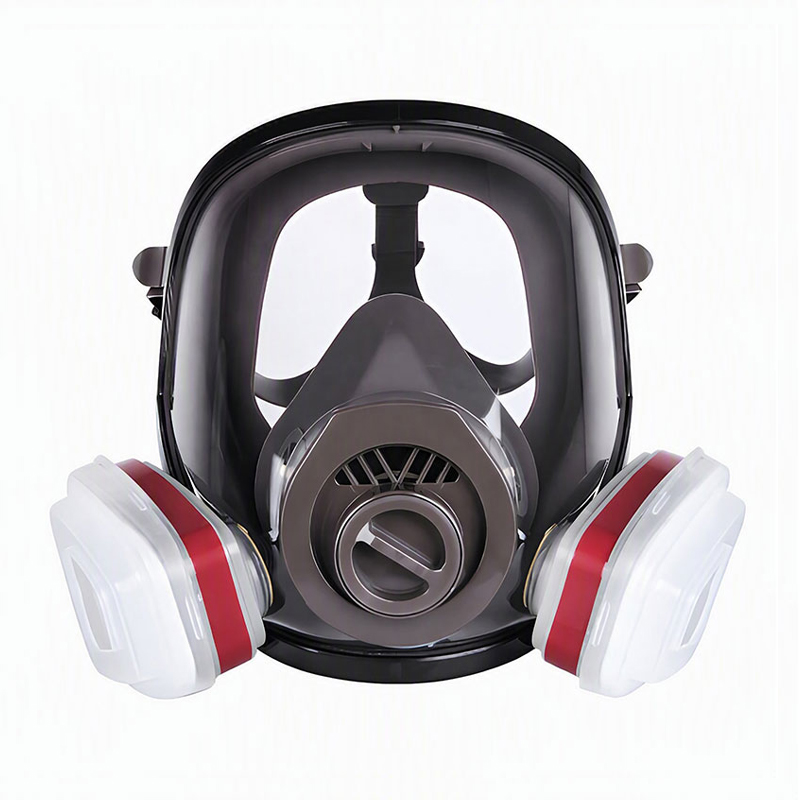 Panoramic Chemical Full-Face Respirator
-
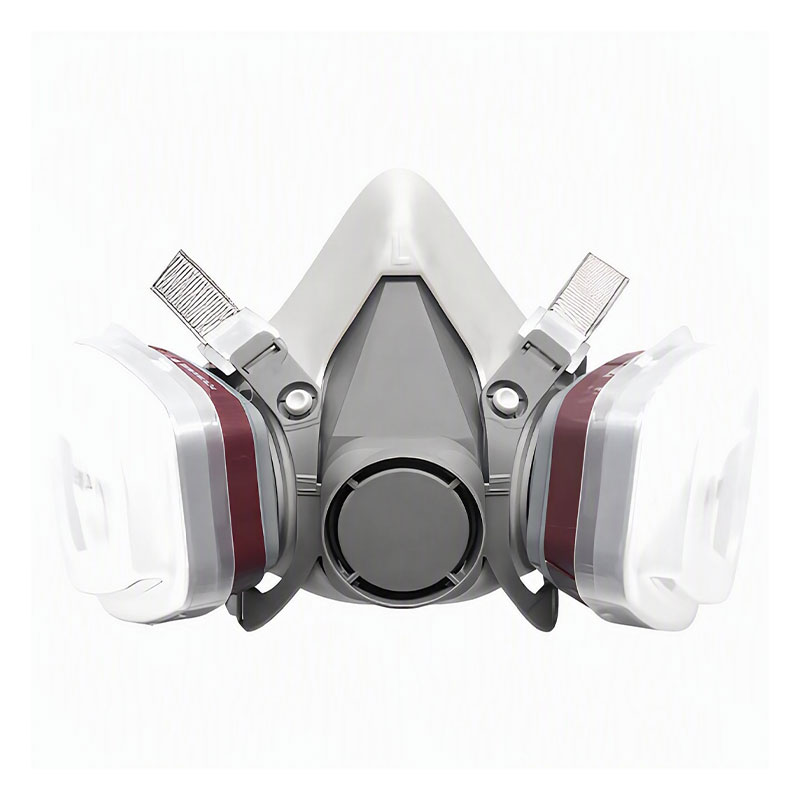 Half-Face Respirator for Painting
Please submit your product needs, quantity, application, target market, certifications, and customization requests. Our team will help you find the right products and cooperation plan.

Copyright © Dongtai Chaowei Lifesaving Equipment Factory.
All Rights Reserved.
