 English

Electrical Fire Prevention Technology and Monitoring System Applications
1. Causes and Hazards of Electrical Fires
According to statistics, one third of fires in China each year are caused by electrical reasons, and about 60% of mass-casualty incidents are also attributed to electrical fire hazards. An electrical fire is a disaster caused by combustion initiated by an electrical fault. In addition to personal injury, death, and equipment damage, it can also cause power system outages and major losses to the national economy.
The main causes of electrical fires include four categories. Short circuit: aging or failure of insulation leads to abnormal connection between conductors or between a conductor and ground. Overload: insufficient conductor cross-section or too many electrical devices causes current to exceed the conductor ampacity. Poor contact: loose, oxidized, or corroded joints increase local resistance and temperature. Leakage: reduced insulation performance causes current to leak to ground.
2. Technical Measures for Electrical Fire Prevention
Fire protection at the design stage: When purchasing electrical products, choose products with factory certificates and 3C certification. Electrical lines in concealed ceilings and closed suspended ceilings containing combustibles should use metal conduits, metal trunking, or other fire protection measures. Switches and lighting in places with gas, fuel oil, or large amounts of dust must be installed according to explosion-proof design standards.
Short-circuit prevention: Prevent moisture, heat, corrosion, and external force damage, and avoid insulation aging. Install residual current protective switches or fuses scientifically, and implement waterproof, lightning-proof, and leakage-proof protection measures. Use fireproof putty, fireproof bags, and other materials to seal distribution boxes. Install rodent guards in distribution rooms to prevent rats and other small animals from entering and biting cables.
Overload prevention: Do not run wires privately or connect electrical equipment arbitrarily. According to changes in production and operation, verify electrical capacity in a timely manner and replace conductors with suitable cross-sections. Arrange electricity demand reasonably and avoid concentrated use that reaches peak values.
Poor contact prevention: Conductor connections must be firm and reliable. Joints should have sufficient mechanical strength and corrosion resistance. When connecting copper and aluminum wires, use copper-aluminum connectors and prevent loosening, moisture, and oxidation at the contact surface. Check sockets and plugs regularly to prevent loosening and arcing.
3. Technical Application of Electrical Fire Monitoring Systems
An electrical fire monitoring system monitors, identifies, diagnoses, warns of, and manages risks that can lead to electrical fires, such as insulation degradation, overload, poor contact, short circuits, overtemperature, and malicious loads.
Key system design points: When installing an electrical fire monitoring system, first pay attention to the grounding form of the distribution system. A TN system has one point grounded. Exposed electrical devices can be connected to conductors and connected to that point through a protective conductor. Parameters of monitoring detectors should be set reasonably. The residual current alarm value should be controlled within 500 mA, and the residual current action alarm value should preferably be 300 mA.
Arc fault detection: Arc fault sensors can effectively detect parallel arc faults and series arc faults. When an arc fault capable of causing fire is detected in the line, the display unit can provide on-site audible and visual alarms and transmit alarm information to the electrical fire monitoring equipment. The central display unit can simultaneously monitor the residual current of distribution circuits.
Temperature monitoring: The action alarm value of a temperature-sensing fire detector should be continuously adjustable from 0°C to 150°C. Installing temperature sensors at key locations such as distribution cabinets and cable joints allows real-time monitoring of abnormal temperature rise and provides early warning before the dangerous temperature threshold is reached.
4. Daily Operation Management and Maintenance
Systems and personnel: Strict electrical safety management systems and electrical equipment operating procedures should be established, and related safety responsibilities should be implemented. Qualified electricians should be employed for daily maintenance and management, and employee electrical safety education and training should be strengthened.
Inspection priorities: Daily inspections should be strengthened. Special attention should be paid to key areas such as warehouses, dormitories, transformer rooms, and kitchens. Electrical lines should be checked frequently. Local overheating or frequent tripping should be handled promptly.
Smart fire protection: Social units are encouraged to install electrical fire monitoring systems to improve intelligent management capabilities and levels. The electrical fire monitoring system should be linked with the fire control room. After a fire is confirmed, all fire sound and light alarms in the building should be activated. The fire control room should be able to receive alarm signals from the electrical fire monitoring system and display the alarm location.
Emergency response: In the event of an electrical fire, remember to cut off the power first and then extinguish the fire. Do not blindly pour water. Dry powder extinguishers or carbon dioxide extinguishers should be used for electrical fires. In places with precision instruments, carbon dioxide extinguishers should be preferred to prevent equipment damage.
5. Regulatory Requirements and Training
Units should organize fire training every six months to ensure that employees master the required knowledge and skills: understanding preventive measures, extinguishing methods, and evacuation skills, and knowing how to report a fire, fight a fire, and evacuate. The fire control room should be staffed 24 hours a day with dedicated personnel, with no fewer than two people per shift. Operators should hold a professional qualification certificate for fire facility operators. The inspection and maintenance of the electrical fire monitoring system should be included in the annual inspection of building fire facilities to ensure that the system is always in normal operating condition.
-
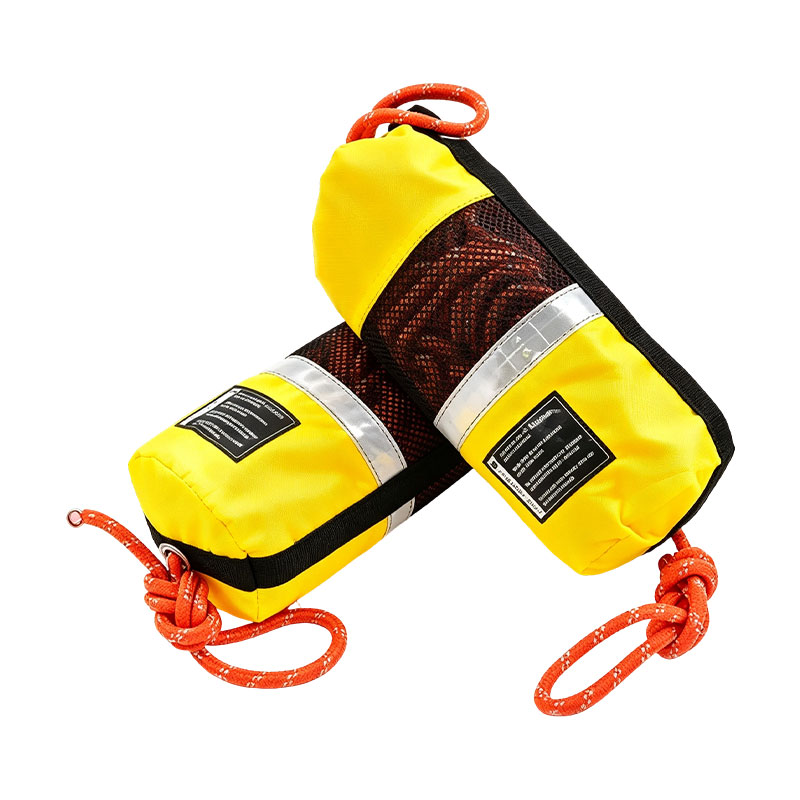 Marine Night Reflective Tape
-
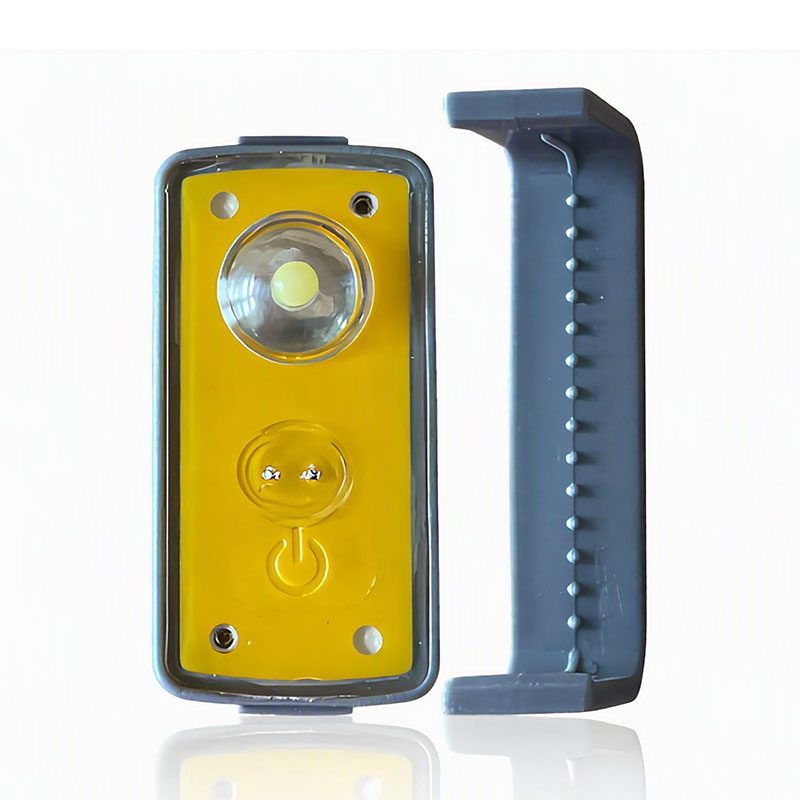 Life Jacket Light
-
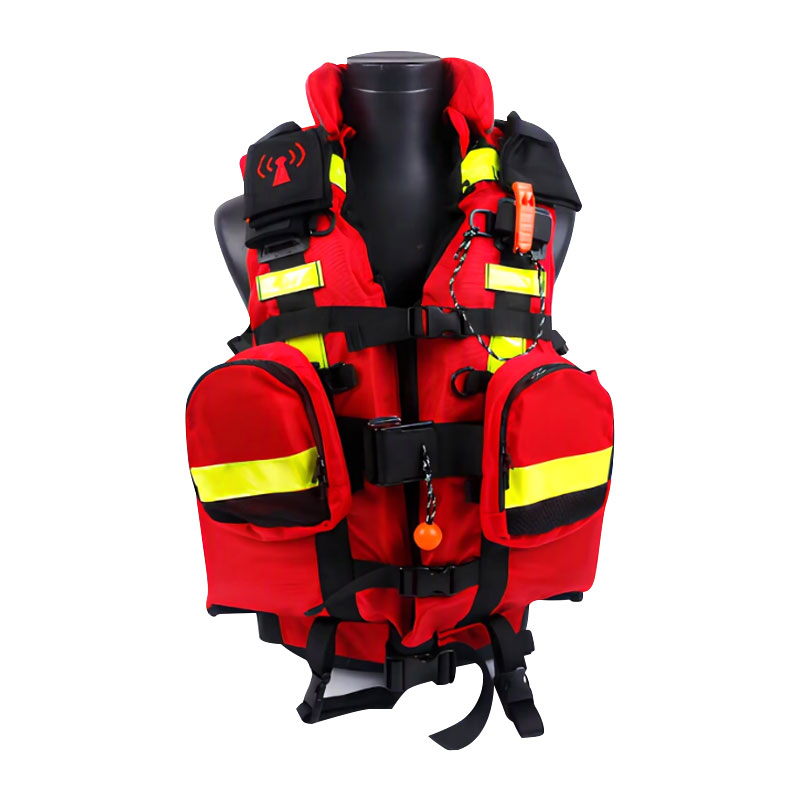 Professional Swift Water Rescue Buoyancy Vest
-
 ABS Flood Barrier
-
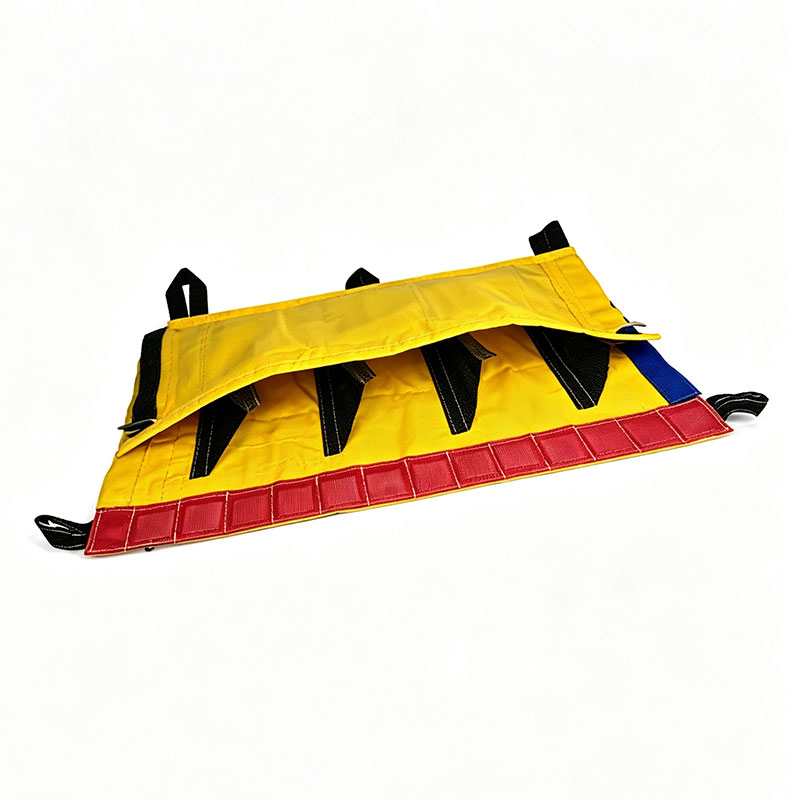 Portable PVC Flood Barrier
-
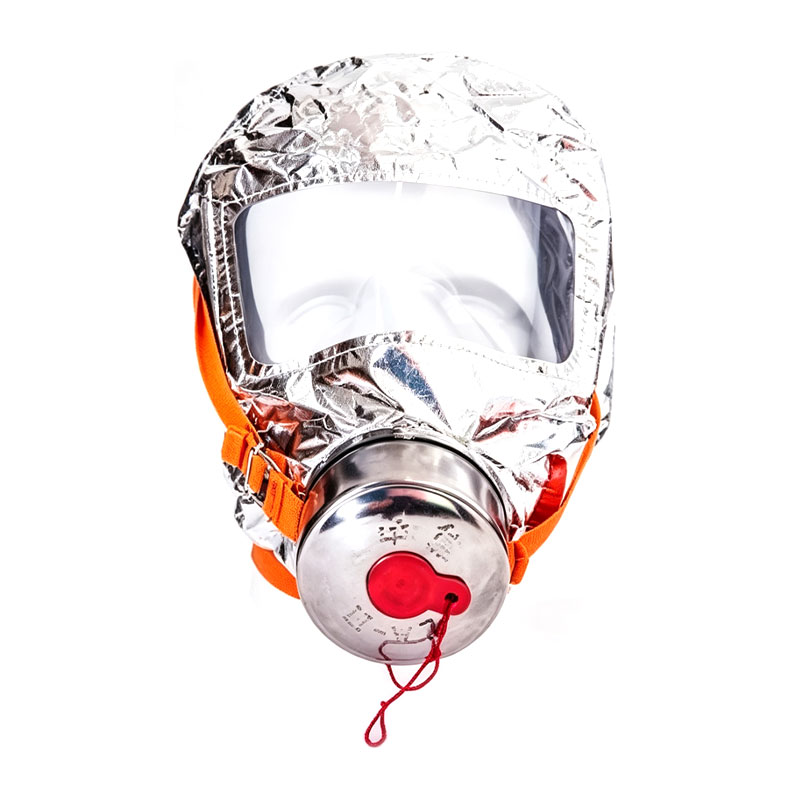 Fire Smoke Escape Mask
-
 Fire Rescue Helmet for Fire Fighting Applications
-
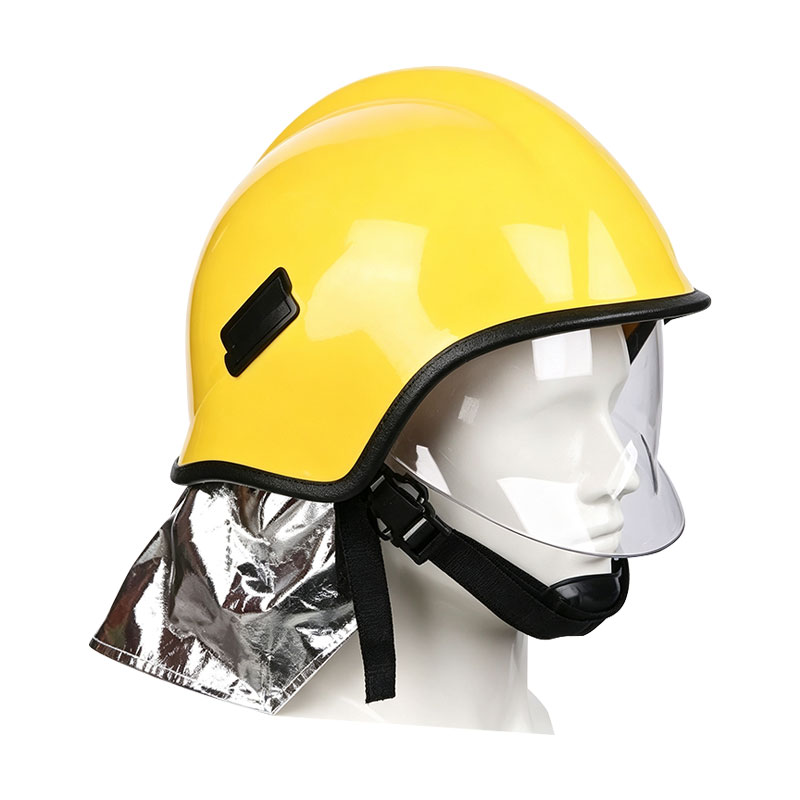 Industrial Safety Helmet for Workplace Protection
-
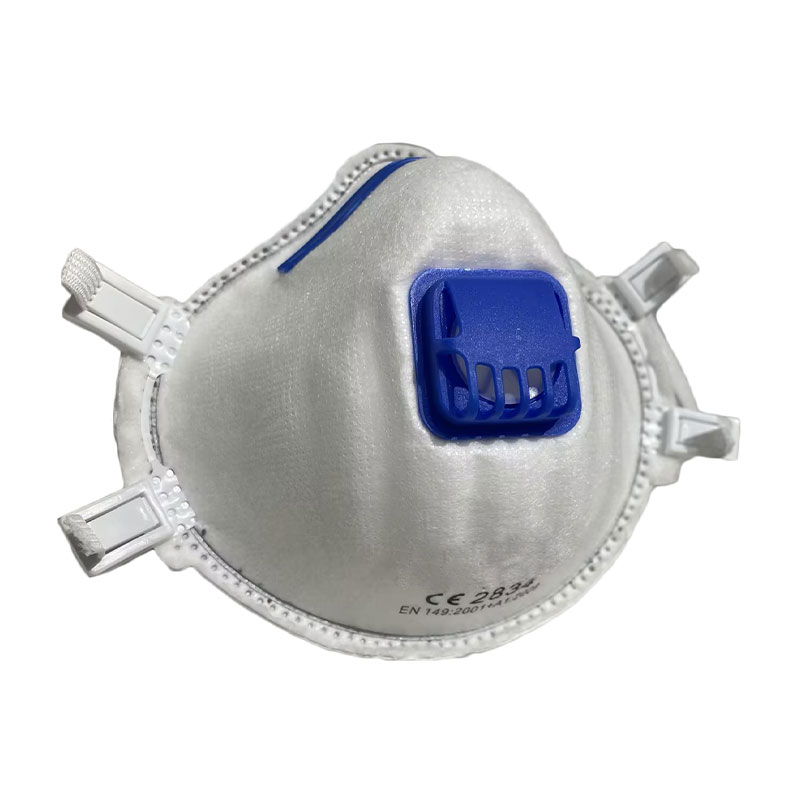 Non-Woven Disposable Cup-Shaped Respirator
-
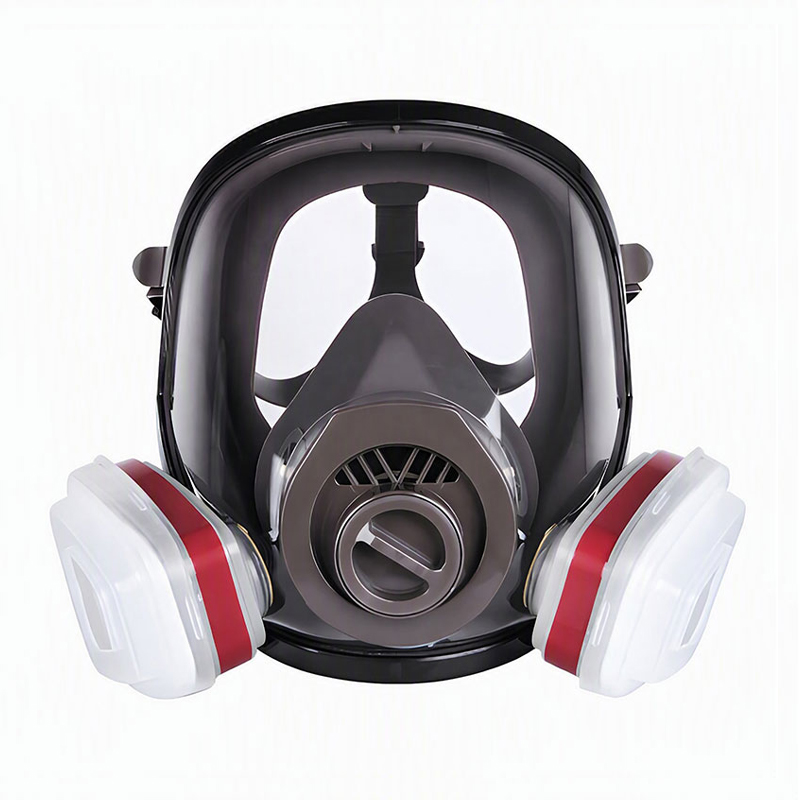 Panoramic Chemical Full-Face Respirator
-
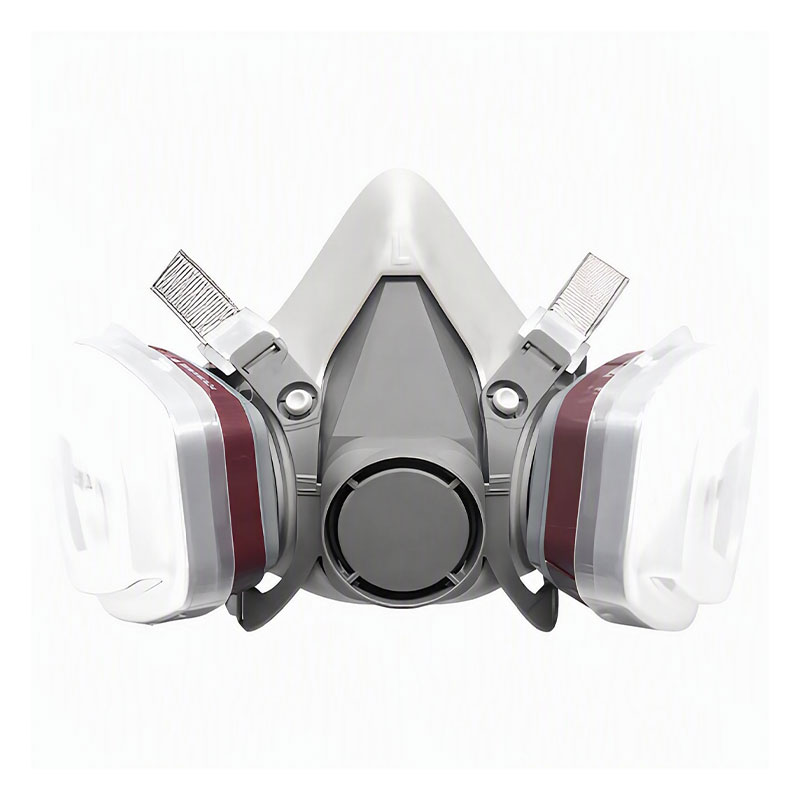 Half-Face Respirator for Painting
Please submit your product needs, quantity, application, target market, certifications, and customization requests. Our team will help you find the right products and cooperation plan.

Copyright © Dongtai Chaowei Lifesaving Equipment Factory.
All Rights Reserved.
